

 日本語
日本語 中文 (中国)
 Tiếng Việt
Matcha-info
We Tried 8 of the Most Popular Matcha Brands — And the “Delicious” Winner Is the One We’ll Drink Every Day
We independently select these products—if you buy from one of our links, we may earn a commission. All prices were accurate at the time of publishing.
In This ArticleExpand
It’s hard not to notice that matcha is everywhere right now — at your local coffee shop, in grocery stores, and on restaurant dessert menus. And it makes sense: The vibrant tea powder, which is made of finely ground whole green tea leaves, is beloved for its earthy, umami-rich flavor.
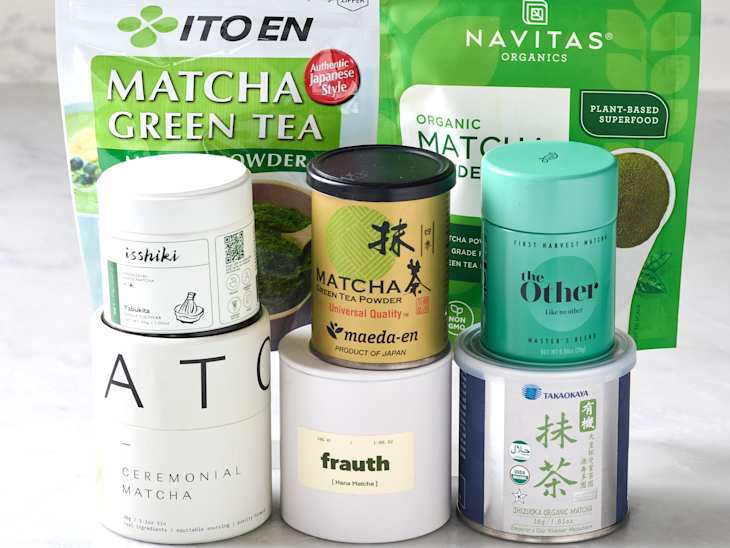
Matcha’s rich, nutty flavor shines in lattes and baked goods. And if you’re a matcha-lover who is trying to use it at home more, you’ll want to stock your kitchen with the best-tasting brand. As both matcha-drinkers and serious grocery shoppers, we wanted to know which brands are worth buying — so we tried eight different ones to see which matcha is worth keeping in our pantries.
So, What’s the Best Matcha Brand?
ITO EN Matcha is smooth and well-balanced, and has a rich profile without being overpowering.
For this test, we focused on classic powdered (unsweetened) matcha widely found nationwide in stores today. Then we narrowed the brands down based on availability, popularity, and affordability. They ranged in price from $8 all the way up to $30, although most were around $12 at the time of this tasting.
After an afternoon of sampling, this is the matcha we’ll keep on hand forever.
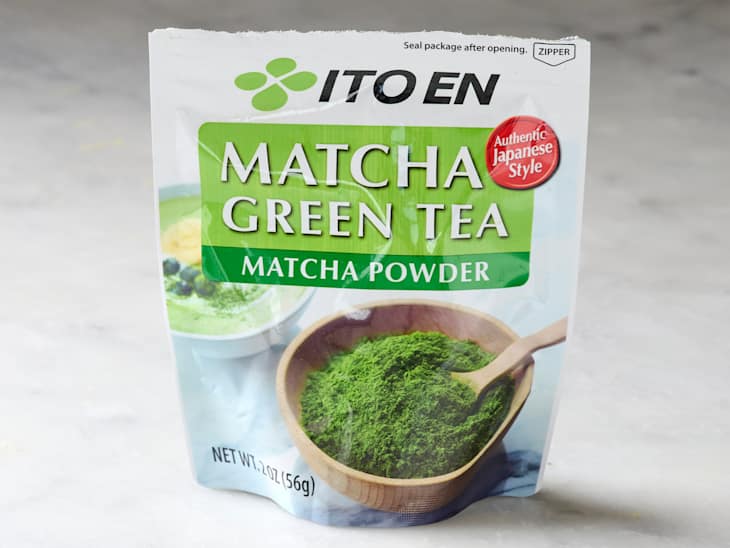
Best Matcha: ITO EN Matcha
ITO EN Matcha took the top spot in our taste test. It earned enthusiastic praise from our group of six testers. Tasters consistently highlighted its smooth, well-balanced profile that’s rich without being overpowering. As Celia, our editorial assistant, put it, “This tastes really high-quality.”
Its texture stood out just as much as its flavor; it whisked up into a silky cup with a delicate foam that signaled real quality. Ali, our associate groceries editor, wrote that “there’s a nice foam to it,” (which she associates with good matcha), adding that “it’s strong, but in a great way. I could drink it every day.” That strength was balanced by a subtle richness. Rachelle, our principal product manager, pointed out its “creamier flavor,” which made it especially easy to drink on its own.
What’s So Great
- “Tastes really high-quality.”
- Creamy
- Well-balanced
Good to Know
- Comes in a pouch
- Made in Japan
- Budget buy!
Buy: ITO EN Matcha, $12.99 for 2 ounces at Weee!
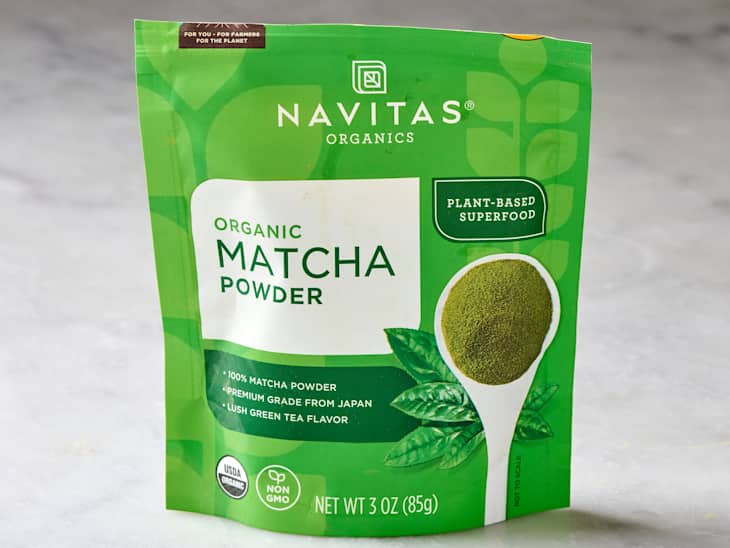
Runner-Up: Navitas Matcha Powder
Ali ranked Navitas Matcha Powder as her top choice, pointing to its “subtle nuttiness” with “maybe some sweetness at the end,” and adding that it could be “good for baking.” Celia agreed; she highlighted its “smooth consistency with a really prominent flavor,” which helped it stand out early in the tasting.
That same consistency earned praise across the panel. Brian noted it was smooth and approachable, but he also picked up on a “slight bitterness” (which is nothing a little sweetener couldn’t fix).
So why didn’t it win? For some, that bitterness (Rachelle also found it to be a bit bitter) held it back from feeling truly balanced. Still, it delivers strong value: Priced at $21 for a larger bag, it’s one of the most affordable options per ounce.
What’s So Great
- “Good for baking”
- Slightly nutty and earthy
- Smooth
Good to Know
- Comes in a pouch
- Bulk buy
- Slightly bitter
Buy: Navitas Matcha Powder, $20.99 for 3 ounces at Amazon
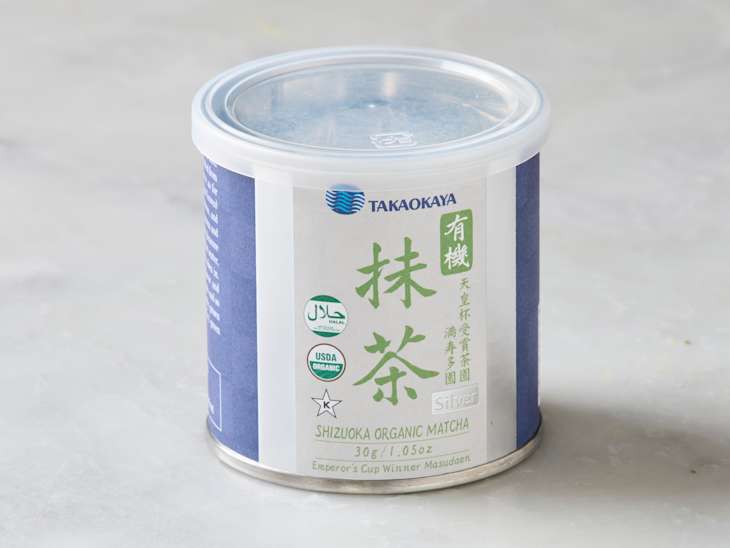
Honorable Mention: Takaokaya Organic Matcha
Celia described Takaokaya Organic Matcha as “delicious,” with a “slight bitterness,” but in general she says it’s “more earthy than anything.” She also emphasized its distinct “smoothness.” This all gave it a more grounded, approachable flavor compared to some of the brighter, more vegetal matchas.
That balance carried through across the panel, with Rachelle describing it as “on the mild side, but not mad at it,” because it is “incredibly smooth.” So why didn’t it rank higher? For some, it came down to intensity. A few found the flavors to be a bit one-note and wished for a little more oomph.
What’s So Great
- “Incredibly smooth”
- Grounded, mild flavor
Good to Know
- Organic
- $$
- For some, too mild
Buy: Takaokaya Organic Matcha, $17.98 for 1.05 ounces at Gohan Market
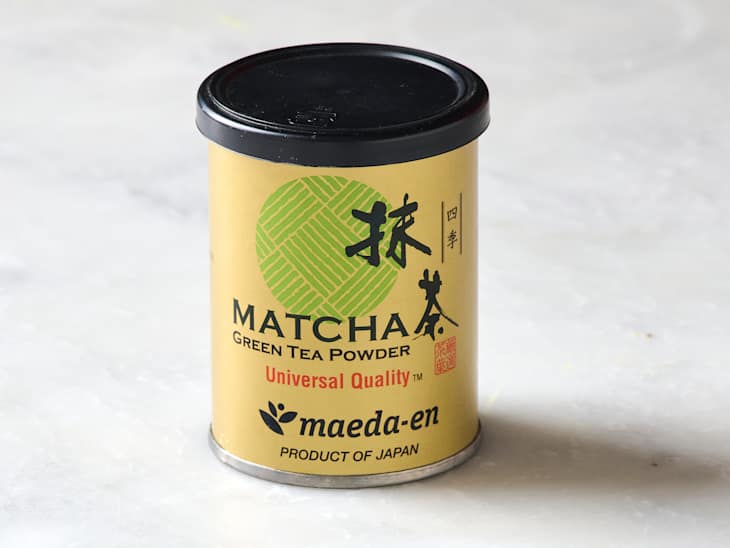
Honorable Mention: Maede Shiki Matcha
The one-ounce tube of Maede Shiki Matcha sparked mixed reactions for its flavor, as it lands on the lighter, more subtle side overall. Brian described it as “very light,” saying it “needs more tea flavor,” while Rachelle found it “super light in flavor.” Celia agreed, calling it “good but subtle flavor.”
Still, not everyone minded the gentler profile. Ali appreciated its gentle notes that may appeal more to beginners than to those looking for a bold, punchy cup.
What’s So Great
- Good for beginners
Good to Know
- Subtle flavor
- $$
Buy: Maede Shiki Matcha, $17.25 for 1 ounce at Amazon
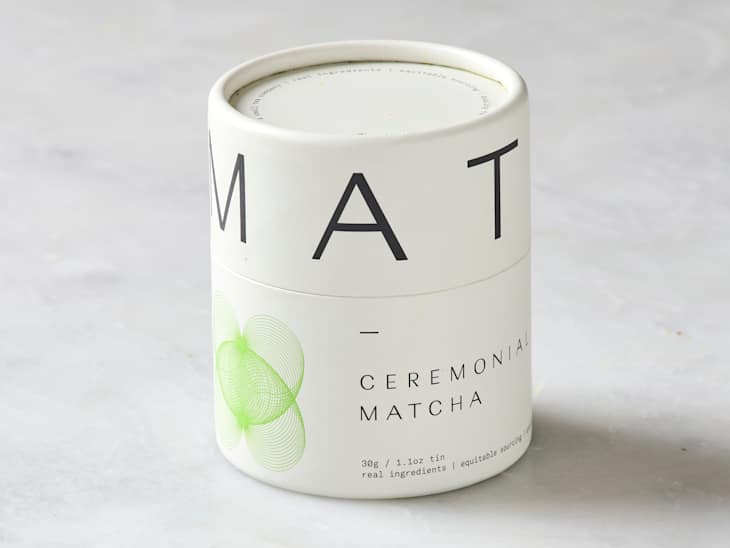
Honorable Mention: Dona
Dona First Flush Ceremonial Grade Matcha landed somewhere in the middle in our tests, with a smooth texture and a flavor that leaned subtly bitter. Celia appreciated its appearance and profile, calling it “smooth and subtle” and noting she loved the “bright-green color.” Ali was also a fan, describing it as “bitter but very smooth,” (affectionately; she loves an earthy matcha).
Brian enjoyed it at first but wasn’t fully sold on the bitterness, suggesting it’s one that could benefit from a touch of sweetener depending on your preference.
What’s So Great
- Ceremonial grade matcha
- Very smooth
Good to Know
- A bit too bitter, for some
Buy: Dona First Flush Ceremonial Grade Matcha, $40 for 1.1 ounces at Amazon
How We Tested the Matcha Brands
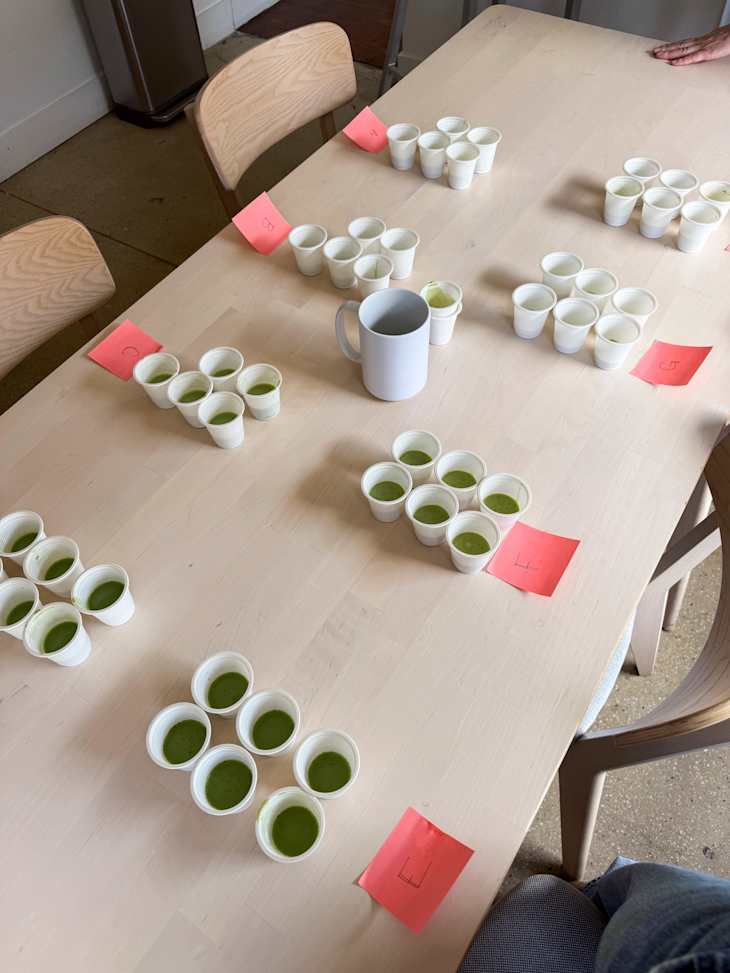
We recruited six volunteers who work in our office to randomly taste eight different store-bought matcha powder brands. Ahead of the tasting, Maya, our Studio Associate, prepared each tea according to its instructions with oat milk and poured portions into small cups. She assigned each brand a letter — A through H — to conceal their identities ahead of the taste test. We also had some water on hand as a palate cleanser between tasting.
Tasters were encouraged to sample the matcha brands in random order (to avoid giving any particular brand an advantage) before writing down their thoughts. Our team then rated each one on a scale of one to five (1 = No, thanks; 2 = Meh; 3 = Pretty good; 4 = Really like; 5 = Yes, Please!) across four criteria — look, smell, texture, and flavor — and included any specific observations, tasting notes, and general opinions worth mentioning. They were also asked to answer, arguably, the most important question of all: Would you buy this matcha?
Why You Should Trust Us
To decide which matcha brands are worth buying, we recruited six volunteers who work at Apartment Therapy Media (our parent company) to evaluate eight different brands based on texture, look, smell, desire to repurchase, and, of course, flavor.
Tasters were unaware of the brands involved and sampled each one randomly. Each taster independently filled out a score sheet, scoring and ranking each one without larger discussion or influence from the group throughout the entirety of the test. It was only after all evaluations were completed that we tallied the scores to determine the winners.
Did your favorite matcha brand make the list? Tell us about it in the comments below.
Go to the Community to discover more!
